 Building Envelope Solutions
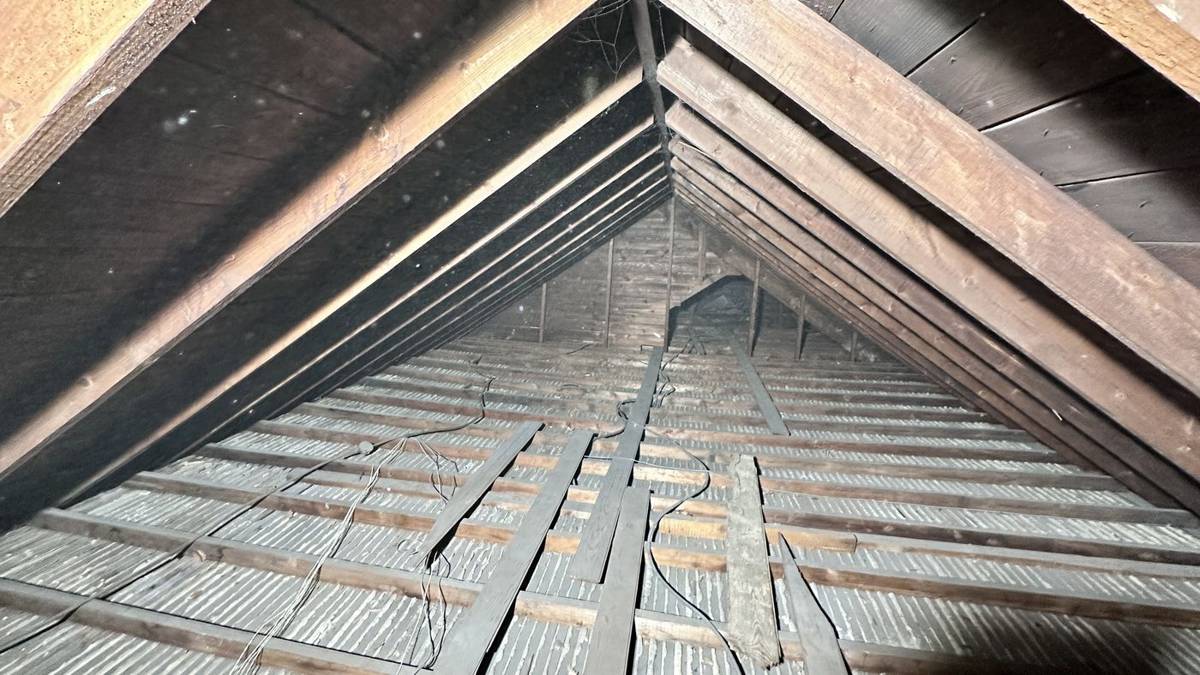
Why the attic comes first
Heat rises, so the roof over your top floor loses more heat than any other part of the house. If the top floor is cold in winter and hot in summer, the attic or roof cavity is almost always the reason.
Pitched attics
Frame houses in Queens, Staten Island, south Brooklyn and Long Island usually have a pitched attic.
- Attic you don’t use: we seal the gaps around pipes, wires and the hatch, then add blown-in insulation on the attic floor.
- Attic you use or plan to finish: spray foam on the underside of the roof keeps the attic close to room temperature.
Flat roofs
Brownstones, row houses and most Manhattan buildings have a flat roof with a shallow cavity under it.
- From below: closed-cell spray foam under the roof deck when the top-floor ceiling is open.
- Through small openings: dense-pack cellulose fills the cavity and the ceiling stays finished.
- During a roof replacement: insulation goes in while the roof is open.
Seal first, then insulate
Gaps at the top of the walls, around chimneys and at the attic hatch let warm air escape past the insulation. We air seal those first.
By borough
- Brooklyn: brownstone and row-house flat roofs, frame-house attics.
- Manhattan: top-floor roof cavities, bulkheads, townhouse attics.
- Queens: short attics in detached houses, knee walls, row-house roofs.
- The Bronx: roofs of houses and pre-war apartment buildings.
- Staten Island: attics, knee walls and rooms over garages.
- We also work across Long Island.
Rebates
Attic insulation is often covered by utility and NYSERDA programs, depending on your building and address. See the NYC rebate guide. We check what is open for your address and file the paperwork.
Common questions
How much insulation does an attic need? It depends on the roof and the space. We measure what is there and tell you what to add.
How long does it take? Most attics take one day.
Is the estimate free? Yes. Call (347) 200-5089.